The COAST-SCAPES project is structured into
6 interconnected Work Packages (WPs)
COAST-SCAPES adapts a
systemic approach:

Empowers stakeholders

To co-design, implement, and financially support resilience-through-adaptation pathways, seeking long-term compatibility and foresight

WP1-WP2 WP5–WP6
Timeline

Combines
science and local knowledge

Applying transdisciplinary analyses and systemic evaluation of resilience solutions

WP3–WP4

Facilitates
capacity-building and governance transformation

Fostering cooperation and policy alignment to scale resilience across Europe

WP1-WP2

Combines science and local knowledge

Applying transdisciplinary analyses and systemic evaluation of resilience solutions

WP3-WP4

Empowers stakeholders

To co-design, implement, and financially support resilience-through-adaptation pathways, seeking long-term compatibility and foresight

WP5-WP6

Facilitates capacity-building and governance transformation

Fostering cooperation and policy alignment to scale resilience across Europe

Ensuring scalability and flexibility by verifying if the solutions developed in the CPs can work elsewhere, possibly with adaptations.

Catalonia

Ebro Delta

Ebro Delta is the largest wetland area of Catalonia and one of the most important regions of the Mediterranean, evolving from a small, wave-dominated system to a large landform due to an increase in sediment supply from human activities, such as deforestation and agriculture.
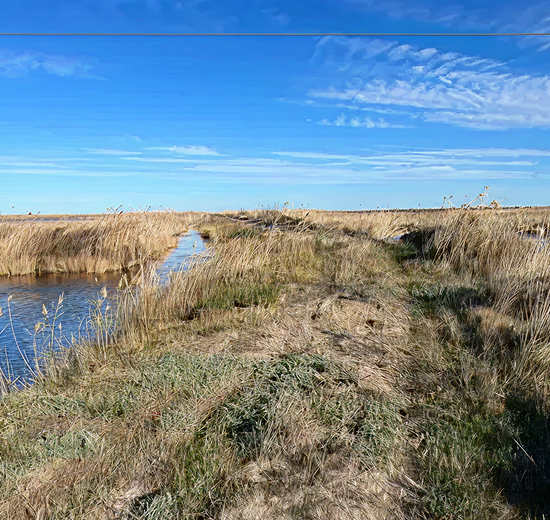
Altered by human intervention, the evolution of the Ebro Delta, its biodiversity and unique mix of lagoons, beaches and dunes are threatened by rising sea levels, subsidence, coastal erosion and lack of effective engineering and governance.

Upscale the delta’s coastal restoration strategy by removing artificial barriers, fostering coastal realignment and restoring the backshore wetlands to bypass the sediment trapped in reservoirs and provide room for the coast.

Ebro Delta
Atlantic Coast

Aveiro Ria

The Aveiro Ria is a low-lying coastal lagoon system on the Portuguese Atlantic coast, characterised by sandy beaches and dunes that form a natural barrier between the lagoon and the open sea. Consisting mainly of medium quartz sand, this dune system features well-developed foredunes and is marked by seasonal beach variability.
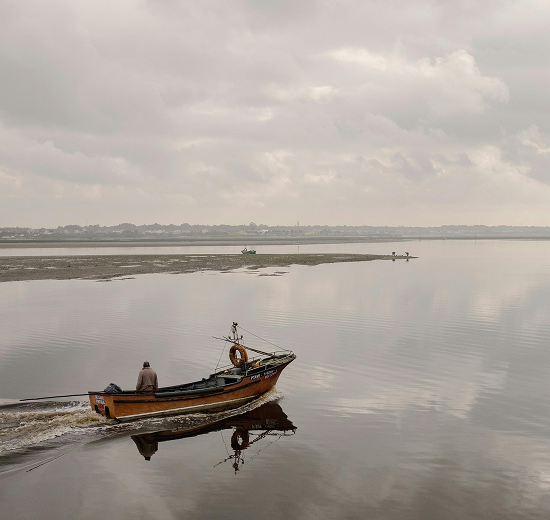
The main challenges of Aveiro Ria include coastal erosion, potential rupture of sand split and opening of new inlets, overtopping and flooding, caused by energetic wave climate storms, as well as the need of monitoring and modelling for improved performance and evaluation of coastal resilience.

Restore sediment flow and mitigate risks of erosion, flooding and dune overtopping by evaluating the resilience of beach nourishments, improving monitoring and numerical modelling of shoreline evolution, sediment transport and total water levels to better predict short- and long-term changes, and implementing early warning systems for an effective coastal management support.

Aveiro Ria
Black Sea

Danube Delta

Located in the Northwestern part of the Black Sea, the Danube delta covers 580.000 ha, making it the second largest delta in Europe. It is recognised as a UNESCO World Heritage Site and a RAMSAR wetland of international importance due to its pristine environment with rich biodiversity and historical shape formed through natural sedimentation processes.
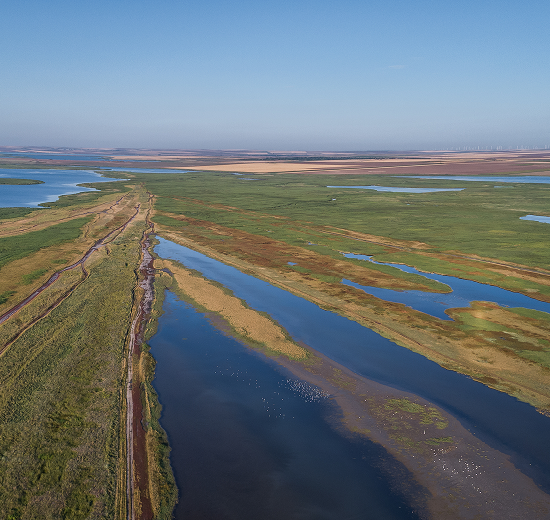
Human activity and climate change pressures remain the main challenges of the Danube Delta, leading to erosion, eutrophication and habitat degradation. In addition, the area is affected by regional governance fragmentation, halting policy development and coordination among fishery communities, civil society and local administrations.

Mitigate risks of further erosion, eutrophication, biodiversity loss and accelerated clogging by establishing systemic integrated monitoring and indicators of ecological and socio-economic resilience, transform governance and improve cooperation between local and regional administrations, replicate pathways solutions and apply nature-based (NbS) solutions, such as wetland restoration, green methods implementation for coastal areas and smart solutions development to prevent clogging.

Danube Delta

Serving as the main testing sites to develop and implement innovative solutions.

Atlantic North-Sea

Weser Estuary and Wadden Sea

Located in the Atlantic-North sea mixing zone and comprising a total of 430 km², the Wadden sea-Weser estuary is an energetic zone, driven by ocean-land drivers, 73% of which is recognised as UNESCO World Heritage with saltmarshes, seagrass meadows, various faunal and fish species and 6 million migratory birds.
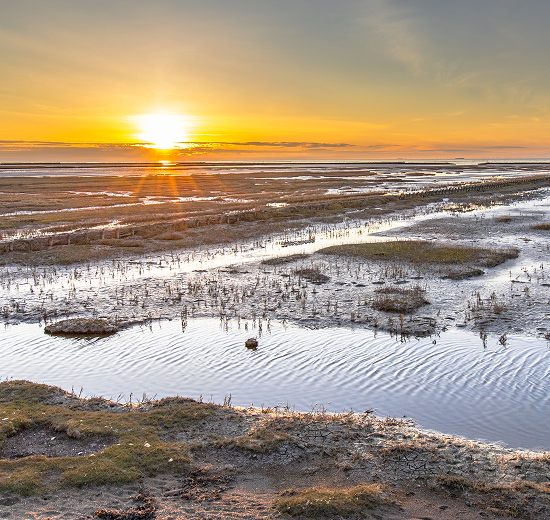
In recent years, various habitat changes have affected the Wadden sea. The area suffers from a significant net loss of critical ecosystem services, contraction of salt marshes, as well as a constant shift of intertidal zones.

Conserve, develop and restore natural habitats, especially salt marshes, and downscale climate change scenarios through nature-based solutions to protect the coast from rising sea levels and balance the area’s biodiversity.

Weser Estuary and Wadden Sea
Veneto Region

Venice Lagoon

Located in the Veneto region, the Venice lagoon with its functioning port is crucial for the survival of Venice. As the largest coastal wetland in Italy, it is responsible for the physical safeguard from sea and rivers and the de-pollution of the drainage basin.
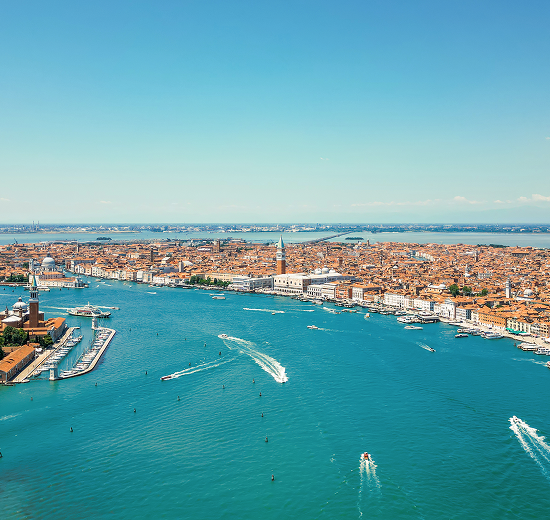
The Venice lagoon endures saltmarsh deterioration that has resulted in the loss of filtering capacity, increased vulnerability to eutrophication and pollutants and reduced ecosystem services.

Analyse future land use and climate multi-risk dynamics and their effects on the Venice lagoon and restore saltmarshes in order to improve the nutrient and pollutant buffering capacity, support biodiversity and contribute to lagoon resilience.

Venice Lagoon
Western Mediterranean

Mar Menor

The Mar Menor lagoon, with its watershed taking over 1,200 km², is known as the greatest coastal lagoon in the Western Mediterranean. It is hypersaline and consists of 5 inner islands, home to various lagoon habitats and biodiversity species such as the Hippocampus guttulatus, the Podiceps nigricollis and the Phalacrocorax carbo.
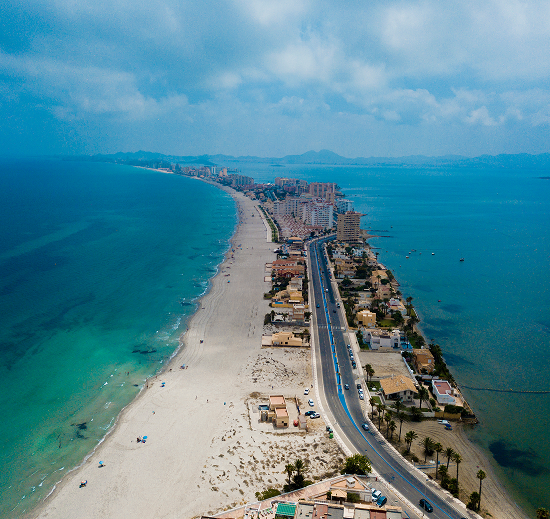
Mar Menor’s common pressure is related to the increased urban and tourist activities, such as the opening of the Estacio channel, the constructing of artificial beaches and intensive irrigated lands around the lagoon. This all has led to an eutrophication crisis, drastic reduction of meadows, and a high risk of extinction of species.

Restore the Mar Menor lagoon ecosystem under climate change and intensive agriculture challenges through continuous monitoring, hydrological and hydrogeological modelling and system-level modelling, integrating both environmental and human factors and guiding towards a sustainable governance transformation.

Mar Menor

Translating the results from the CPs and RPs into strict guidelines, systemic training and governance frameworks to guarantee that what has worked locally can become useful internationally.

Mozambique

Inhambane Bay

Inhambane Bay, located on the Southern coast of Mozambique, is a shallow, well-mixed estuary, characterised by muddy and sandy bottoms, extensive intertidal flats and meandering channels, with a semidiurnal mesotidal tides, representing the dominant hydrodynamic forcing mechanism that governs circulation in the coastal system. Despite its ecological significance as a vital habitat for marine life, Inhambane Bay remains underexplored compared to other European estuaries.
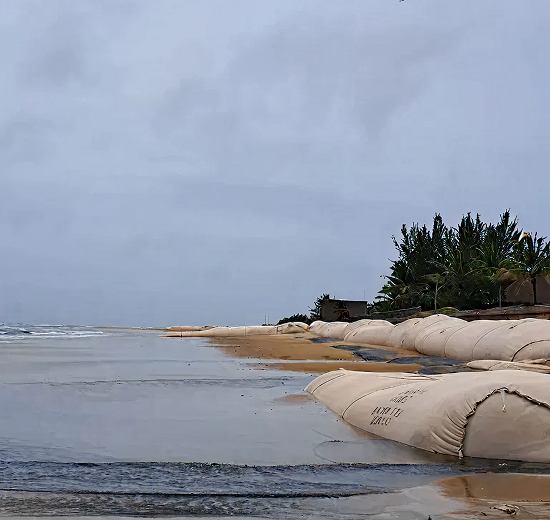
The lack of monitoring equipment affects the accurate assessment of environmental changes and the validation of resilience solutions over time. Moreover, regional urban growth results in a poor sanitation system, leading to an increase in nutrient and sediment loads.

Prevent climate extremes cyclones, coastal erosion, water quality deterioration and changes in sediment balance through the establishment of an integrated monitoring system and long-term data series and to upscale scientific equipment and high-performance computing clusters in the region for the overall protection of the area’s ecosystem.

Inhambane Bay
Mediterranean

Mar Chica Lagoon

Classified as a SIBE site and RAMSAR site since 2005, the Mar Chica lagoon is one of the most important lagoons in the Mediterranean region, spanning an impressive 115 km² and home to various invasive species, such as sea hares, blue crab, Posidonia oceanica (native algae) and Caulerpa prolifera (invasive algae).
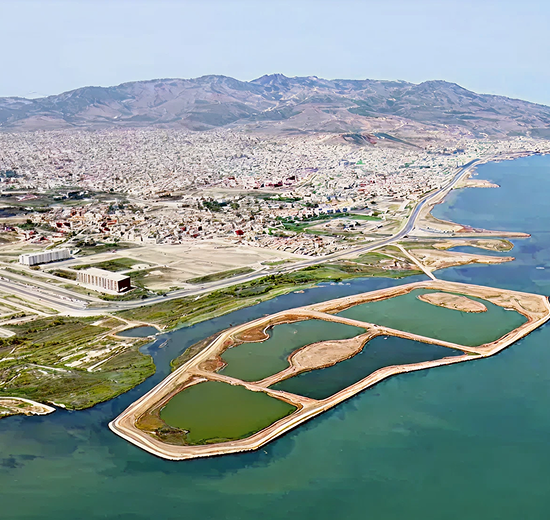
The area is highly vulnerable to sea level rise, liquid and solid waste, exacerbated by the loss of natural coastal defences, such as dune barriers and high urbanisation. Environmental preservation and ecological engineering have become major issues addressed in the policies of many Mediterranean countries, notably Morocco.

Implement a scientific and participatory strategy for sustainable management, linking the Mar Chica lagoon to the Mediterranean sea and other ecosystems, integrate environmental and contamination data to assess nursery quality, identify and map different habitats and marine priority areas for conservation and restoration and model the ecological connectivity between the lagoon and sea, contributing to a wider restoration of Mediterranean coastal ecosystems.

Mar Chica Lagoon
Caribbean Coast

Magdalena estuary

The Magdalena estuary is a dynamic delta system with frequent channel shifts and island formation on Colombia's Caribbean coast, formed by the Magdalena River flowing into the sea. It is of crucial economic and ecological importance to the region as it is the main provider of freshwater, supports port activity and serves as a contributor of freshwater and sediment to the Caribbean Sea.
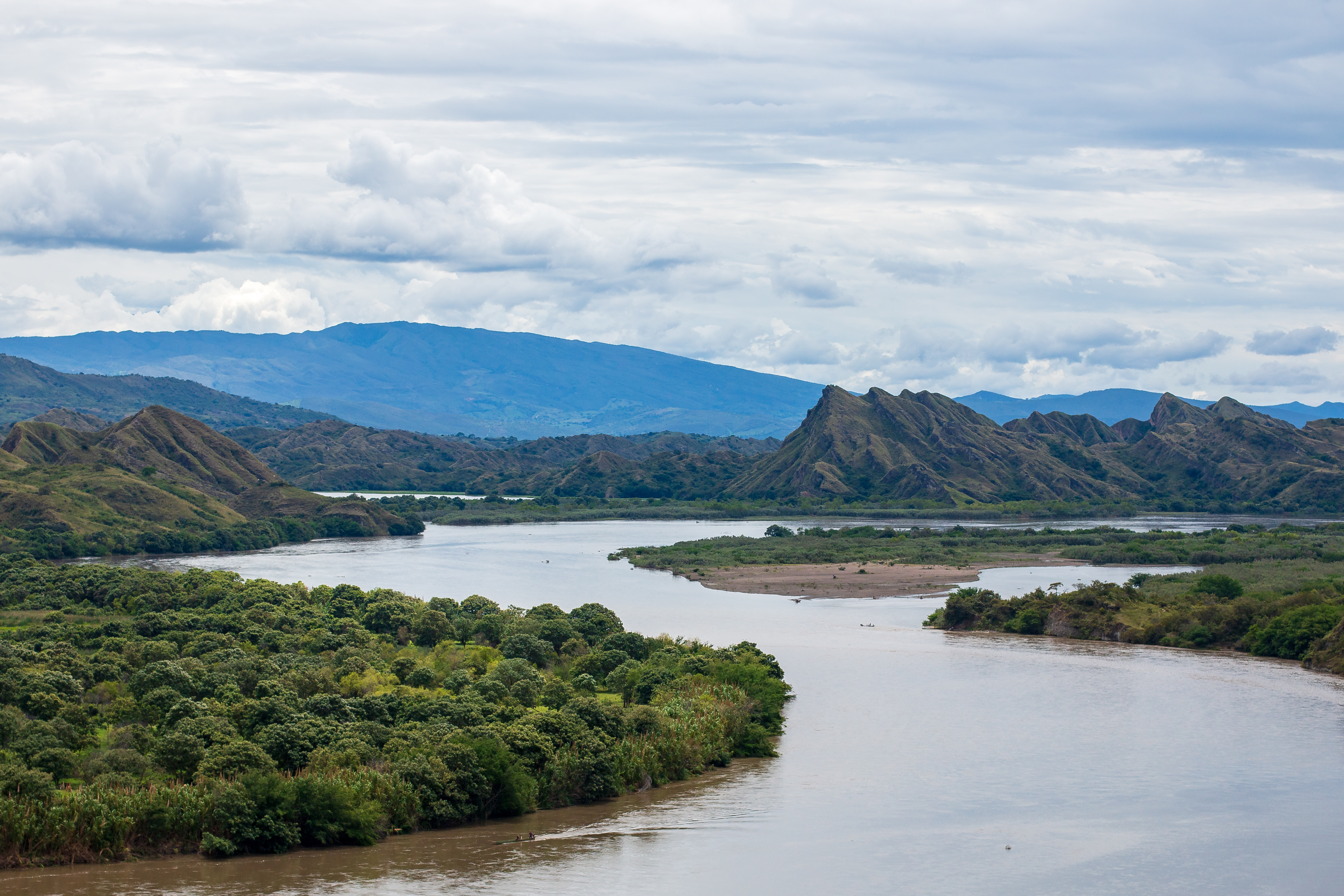
Connected to the Magdalena River via artificial drains, the Magdalena estuary is affected by illegal urban growth, wastewater, litter, deforestation and landfilling. Additional drivers of degradation include the construction of roads, dikes, agriculture, unplanned tourism and port activities, leading to disrupted water balance and rise in salinity.

Enhance the water circulation and salinity balance by restoring the natural hydrological connectivity between the Magdalena River and its estuary through channel rehabilitation and dredging, as well as recover degraded mangrove through sediment management and coastal revegetation, while protecting the area against human and climate pressures.

Magdalena estuary

Connecting the project with strategically relevant non-EU contexts, showcasing innovative resilience practices and demonstrating the broader co-benefits of  resilience-through-adaptation approaches.
Vietnam map outline
Vietnam

Mekong low river basin-delta-sea system
United Kingdom map outline
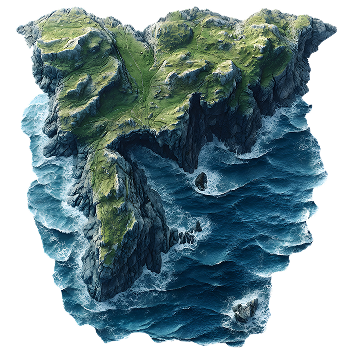
United Kingdom

Firth of Lorn land-sea system

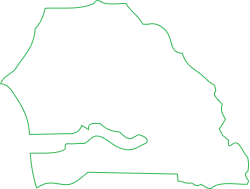
Senegal map outline
Senegal

Casamance basin-delta-sea system

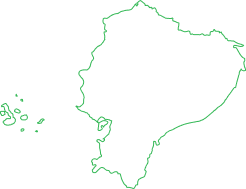
Ecuador map outline
Ecuador

Galapagos Isabela wetlands and Villaamil Bay
Ukraine map outline
Ukraine

Reeds and wetlands N of Danube delta