
LMU team carries out fieldwork in Southeast Asia with Can Tho University
In 2026, the COAST-SCAPES research team from LMU Munich carried out fieldwork in two Southeast Asian countries to examine environmental vulnerability, socio-economic factors, adaptation strategies and local livelihoods along vulnerable coasts. Visits to Samut Sakhon and Ubon Ratchathani in Thailand, followed by fieldwork in the Mekong Delta in Vietnam, offered complementary insights into how communities experience coastal hazards and how nature-based solutions (NbS) work in practice
 |
In Samut Sakhon, the coast faces extreme erosion rates exceeding 7 metres per year, driving land retreat, mangrove loss and the relocation of long-established settlements. Historical land loss is illustrated by local structures such as Wat Khun Samut Chin, a temple once situated on mainland soil 30 years ago that now stands isolated in the sea. Climate conditions and climate change affect local livelihood sectors very differently. A dry year that reduces rice yields can be a good year for salt production. For example, one salt company harvested up to 400 tonnes in an exceptionally dry season, while in the less dry year before, they harvested around 300 tonnes. The differences can be considerable.
 |
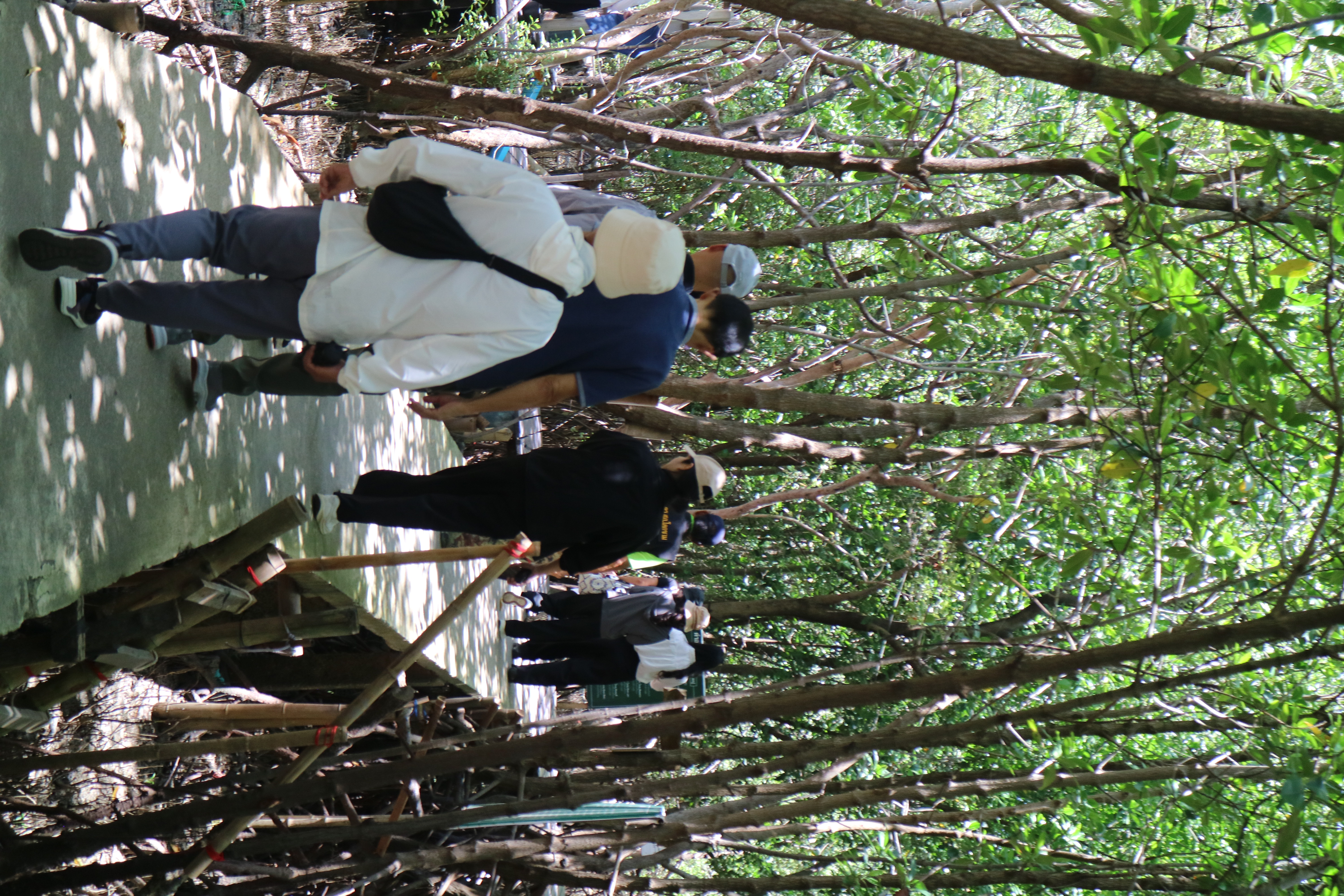 |
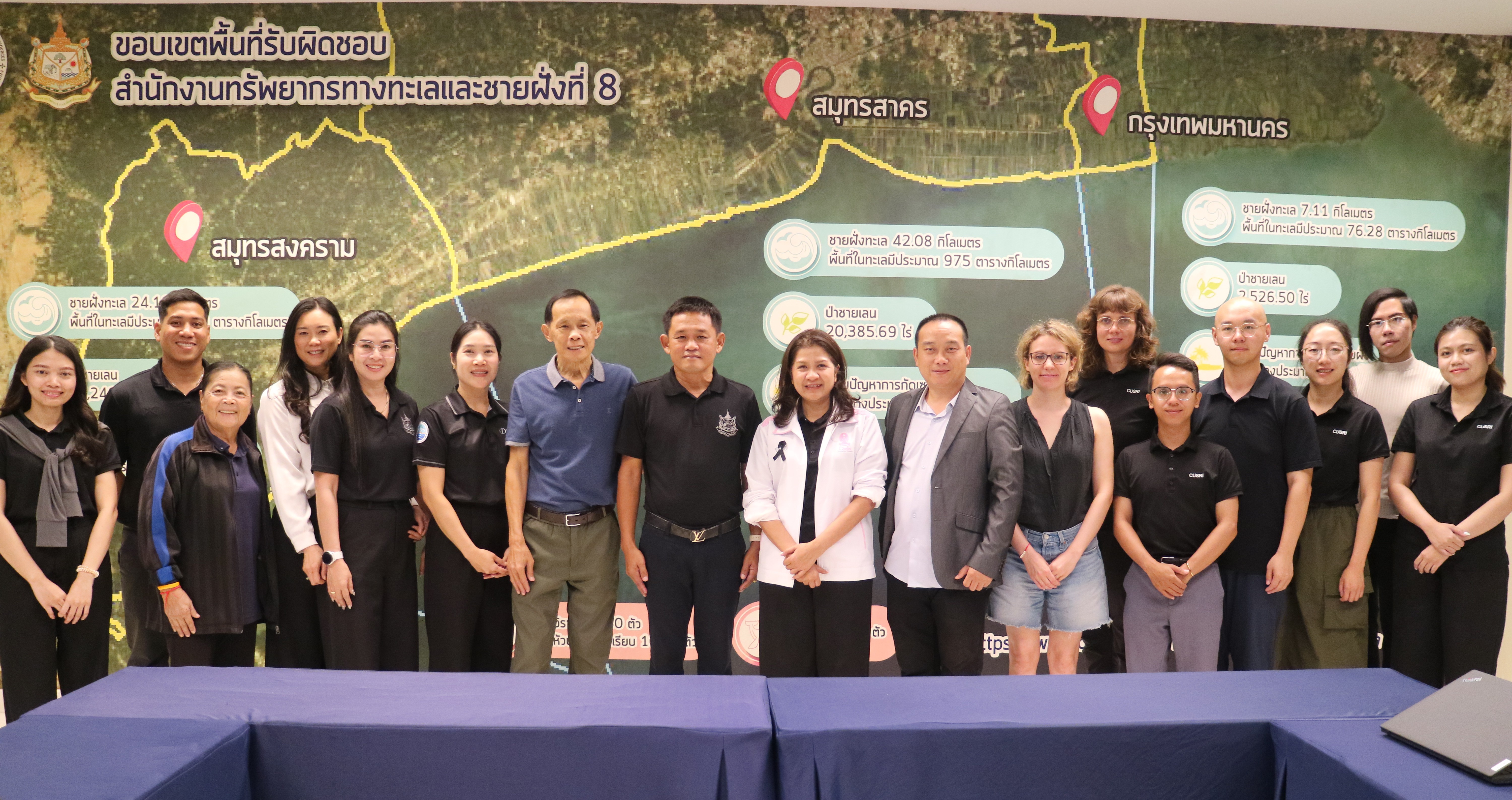
Evaluating NbS was a central focus of the trip. The team was warmly welcomed by the Department of Marine and Coastal Resources (DMCR), who presented their valuable work in coastal protection and took us to practical sites to observe these interventions firsthand. The success of DMCR’s measures depends largely on the people involved and less on the technology itself. The LMU team also visited a successful case of mangrove reforestation, initiated and maintained by the community over 20 years. In another village, Ban Khoam, the LMU team observed different challenges. Tidal gates have been installed and protect the village from tidal flooding, while flooding from the river has become more pressing. Many households install their own flood barriers, for example, by building a wall or elevating the entrance of their house.
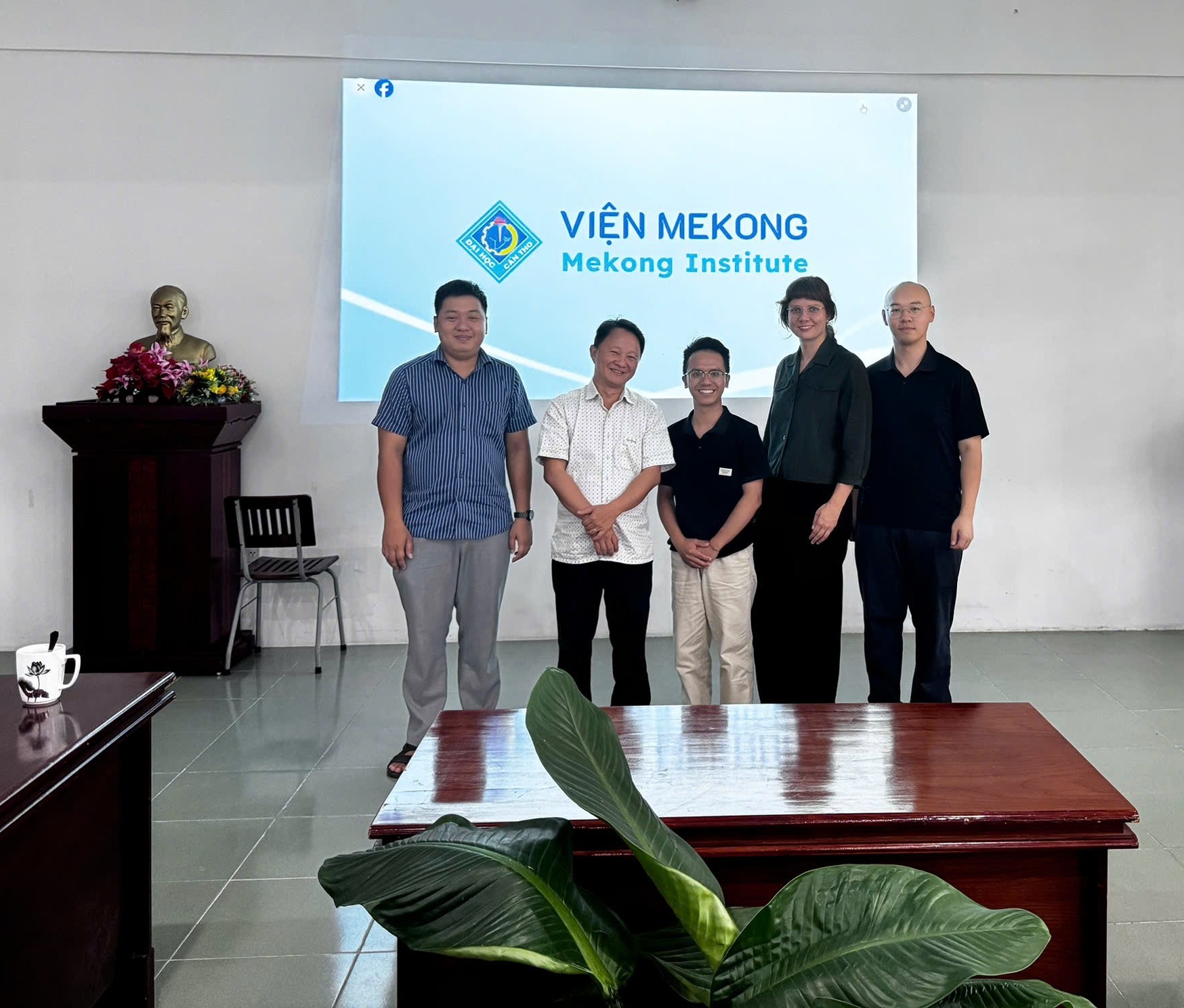
Additionally, in September 2026, COAST-SCAPES researchers Pia Echtler, Phuc Thanh Ho, and Hao Su from LMU Munich joined their project partners, Assoc. Prof. Dr. Van Pham Dang Tri and Dr. Ly Trung Nguyen, alongside their team from the Mekong Institute at Can Tho University (CTU), for fieldwork in the Mekong Delta, a region of particular interest for coastal research. The fieldwork centred on a survey that aimed to gather comprehensive data on household perceptions and acceptance of NbS and to assess individual resilience to natural hazard events.
 |
A defining takeaway from the trip was that floods and erosion already have a considerable impact on daily life and agriculture. In parts of Cà Mau, the earth dikes that once protected villages and controlled water use for agriculture were destroyed during a flood event. Today, these areas rely solely on sluice gates. In the long term, additional structures along the coast will be needed to control flooding. Erosion is aaso a main issue in parts of Sóc Trăng, where local officials reported the coastline retreating by around 30 metres per year, a loss that accumulates rapidly over decades.
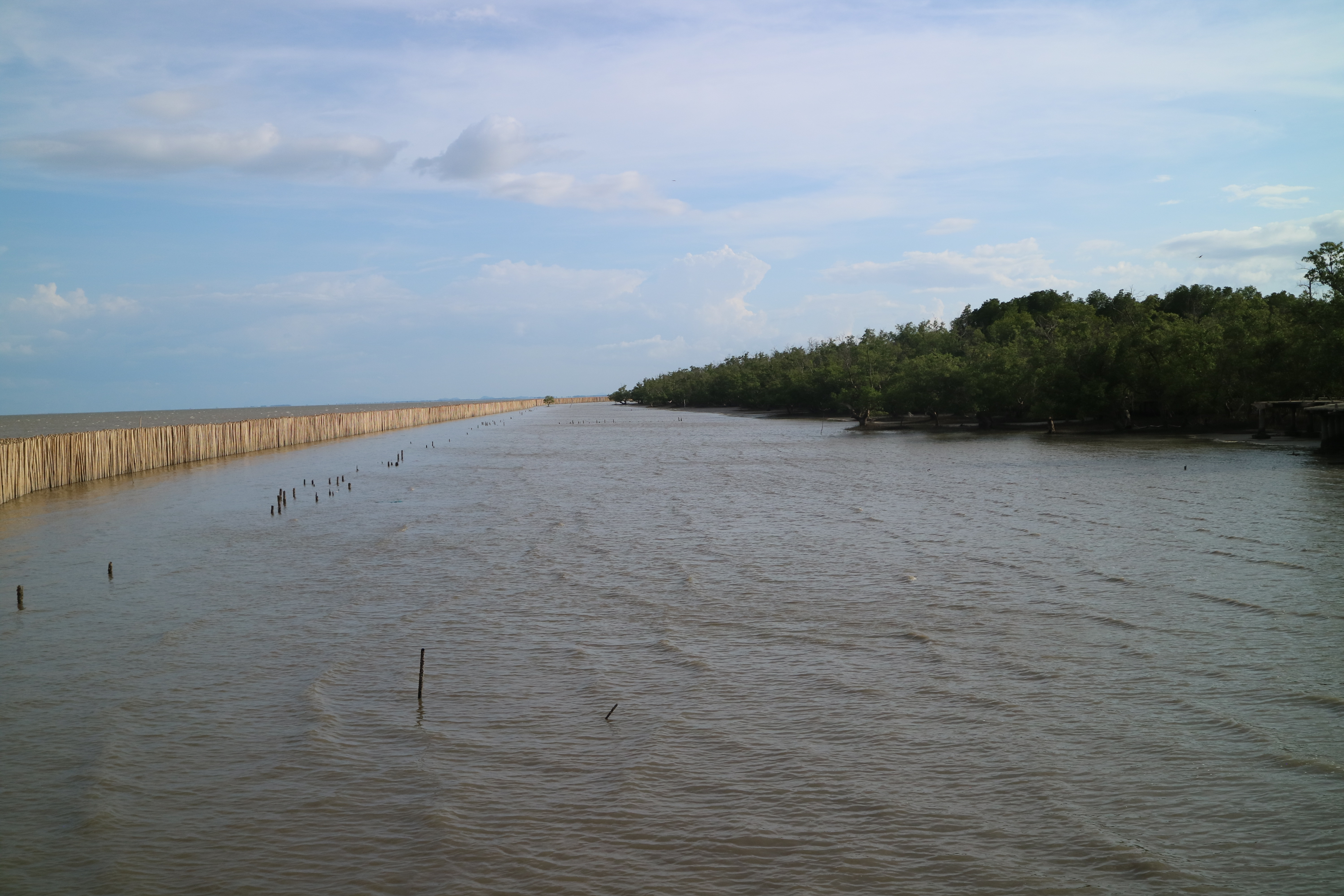
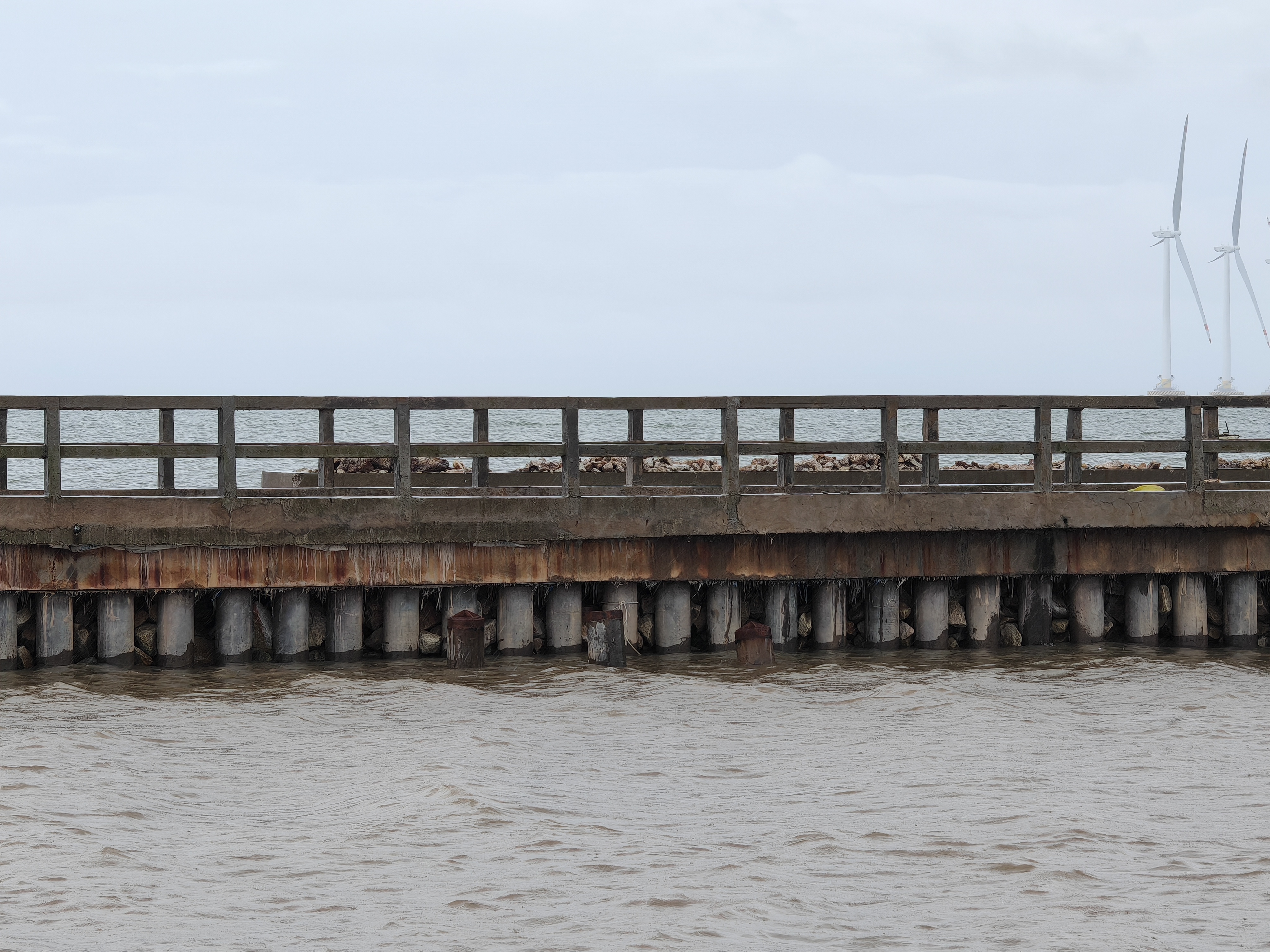
A common response in the Mekong Delta is a hybrid approach that combines NbS with engineered structures. Today's breakwaters are made of concrete. They reduce wave energy while still allowing sediment to pass through. In their shelter, mangroves are planted or recover naturally. Behind the mangrove belt there is usually a dike that also serves as a road. In some places, bamboo fences have been used as breakwaters, but most respondents reported that they were not strong enough for the at times very strong waves in the area.
Water consumption is another crucial issue. Some areas rely entirely on groundwater for agricultural irrigation, which can increase land subsidence and lead to water shortages for households. Storing rainwater could reduce groundwater use, but it faces three main constraints. First, the available space for storage containers is limited. Second, the water would have to be stored for long periods, bridging the gap from the wet season well into the dry season. Finally, additional storage provides little immediate value during the rainy season itself, when abundant rainfall already covers local water needs and sometimes even causes flooding. Local officials expressed a clear wish for hard structures to protect the villages. Understanding when and how NbS can complement such structures and what makes them acceptable to local communities is where further research can make a valuable contribution, both for the region and for the COAST-SCAPES project.
 |
In addition to the fieldwork, the team held several meetings for research exchange with colleagues at Can Tho University and with representatives of Haskoning and LnData, discussing coastal protection, NbS in the Mekong Delta and further research cooperation.
Taken together, the two field trips show that the success of NbS depends on local conditions, community involvement and acceptance. The team is deeply thankful to its colleagues at Chulalongkorn University, the Department of Marine and Coastal Resources (DMCR) and the Mekong Institute at Can Tho University for their support, the new knowledge gained and the insightful exchange during the fieldwork.


