
COAST-SCAPES consortium gathers in Venice for the first annual meeting of the project
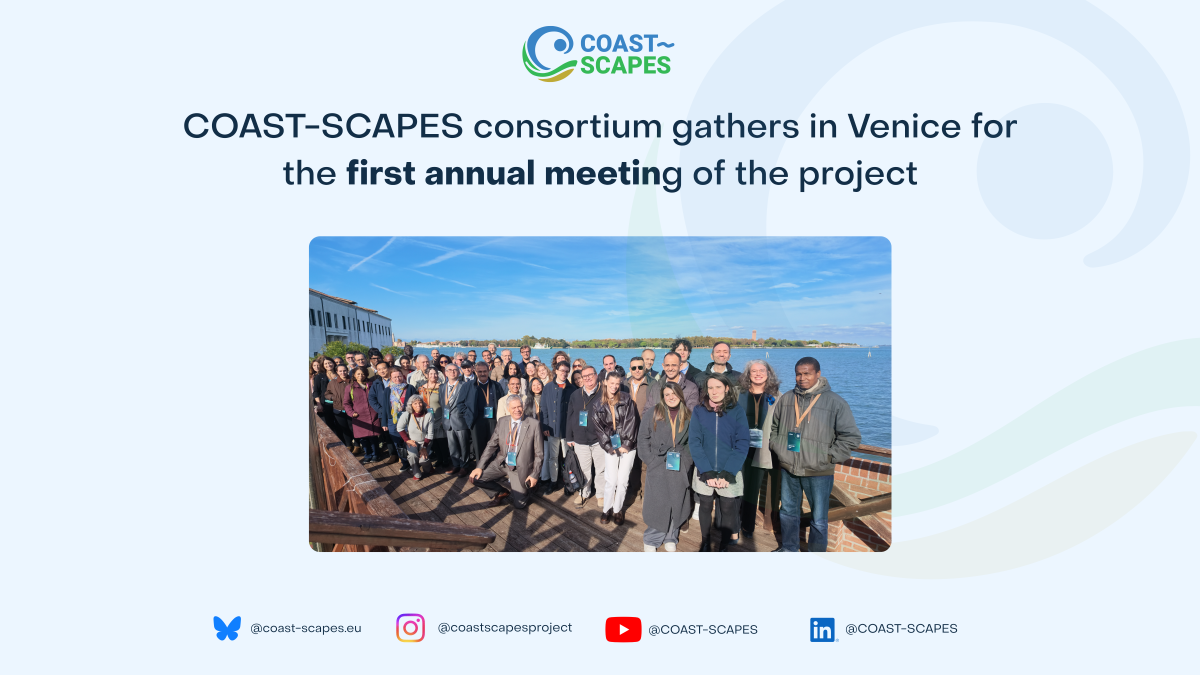
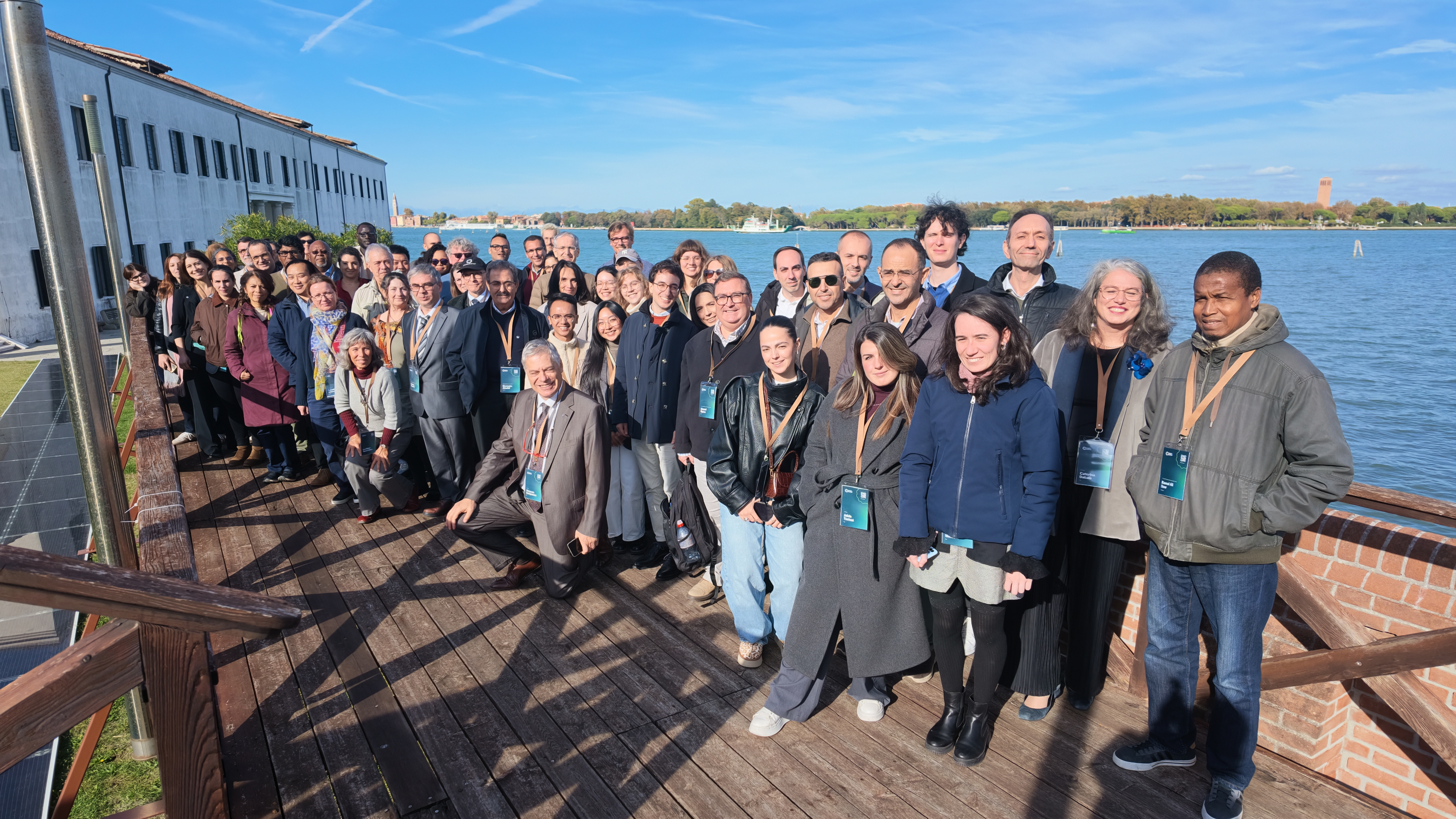
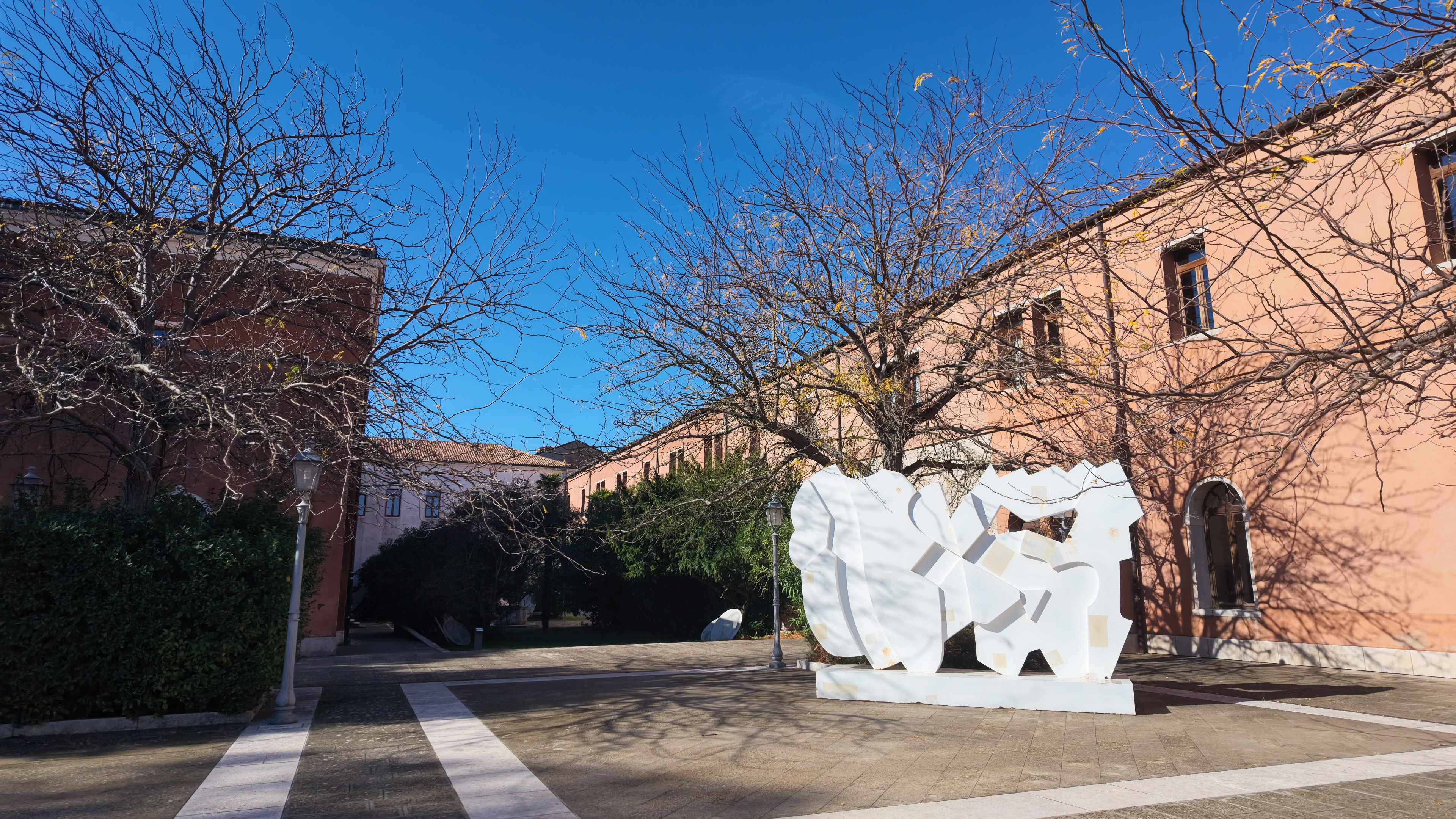
The first General Assembly of the COAST-SCAPES project brought together nearly 60 consortium partners for three days of discussions, knowledge exchange and field activities on San Servolo Island in Venice, Italy. Hosted by CORILA from 26 to 28 October, the meeting provided an opportunity to review progress across the different project teams, explore connections between their activities, and strengthen collaboration for the project's next phase.
 |  |
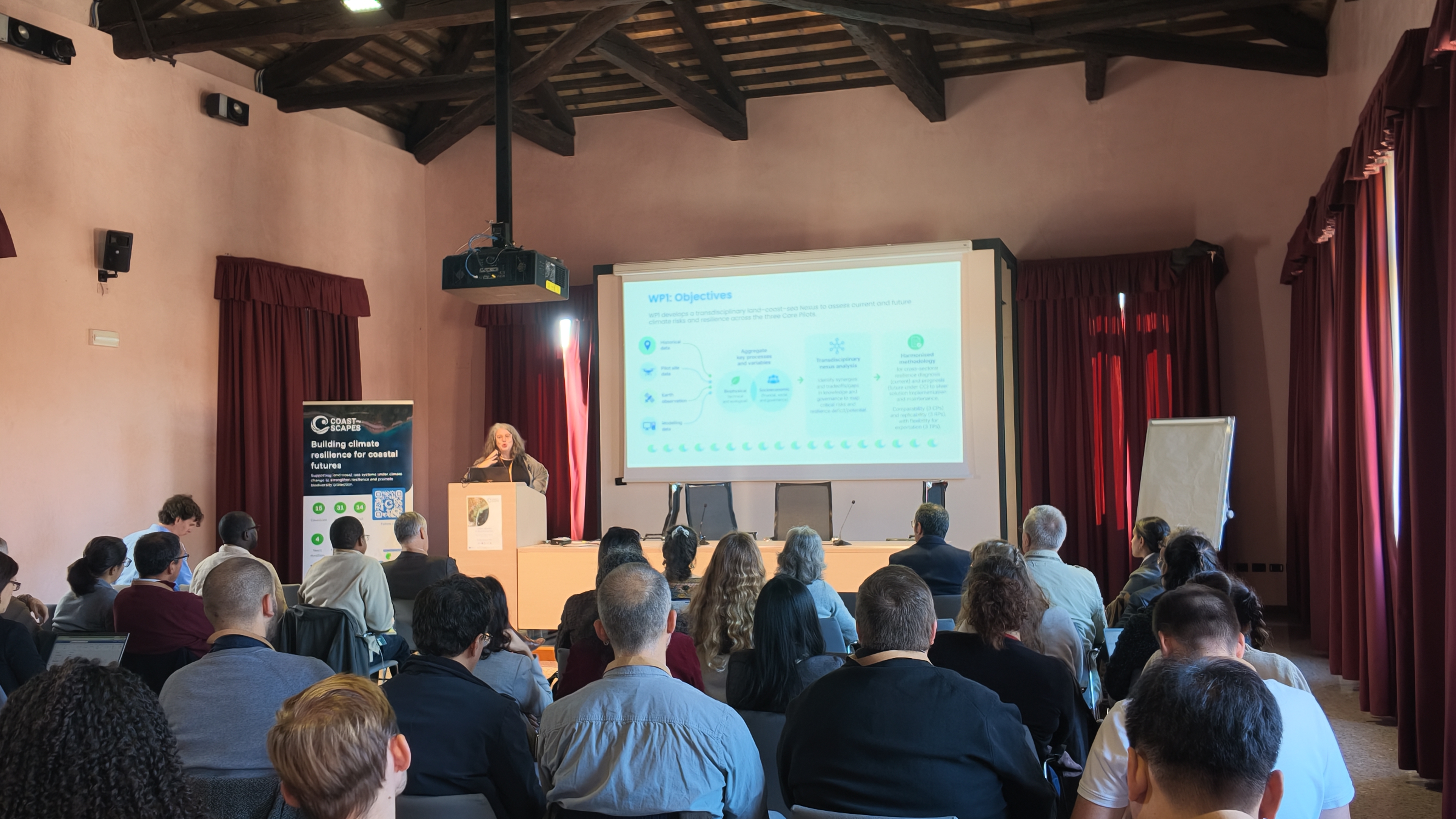
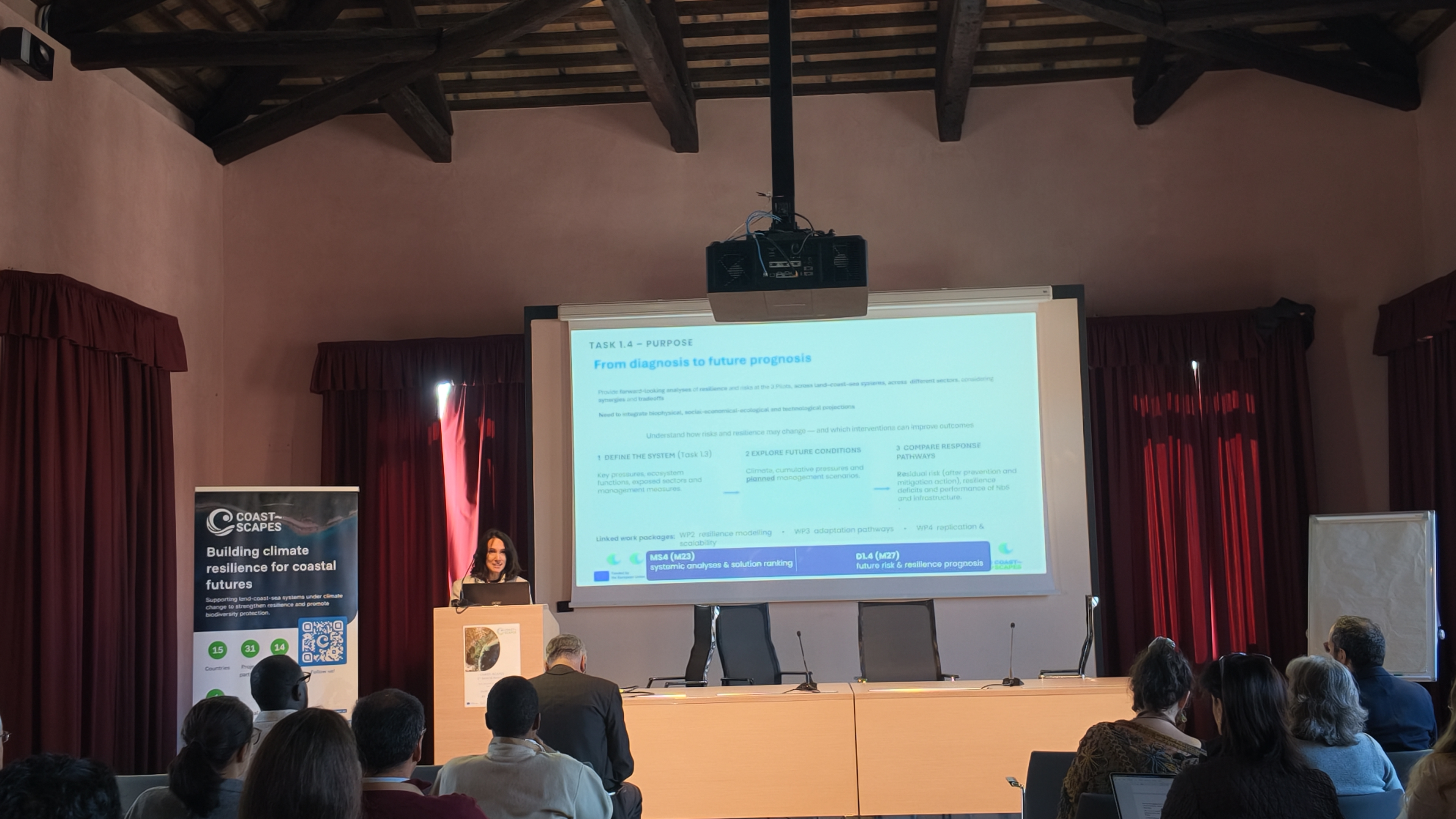
The first day focused on sharing updates on the project's ongoing activities and exploring how different areas of work connect and complement one another. On the second day, partners presented their progress and exchanged experiences from the different coastal areas involved in COAST-SCAPES. The discussions also highlighted opportunities for collaboration and knowledge sharing across the project's diverse case studies.
 |  |
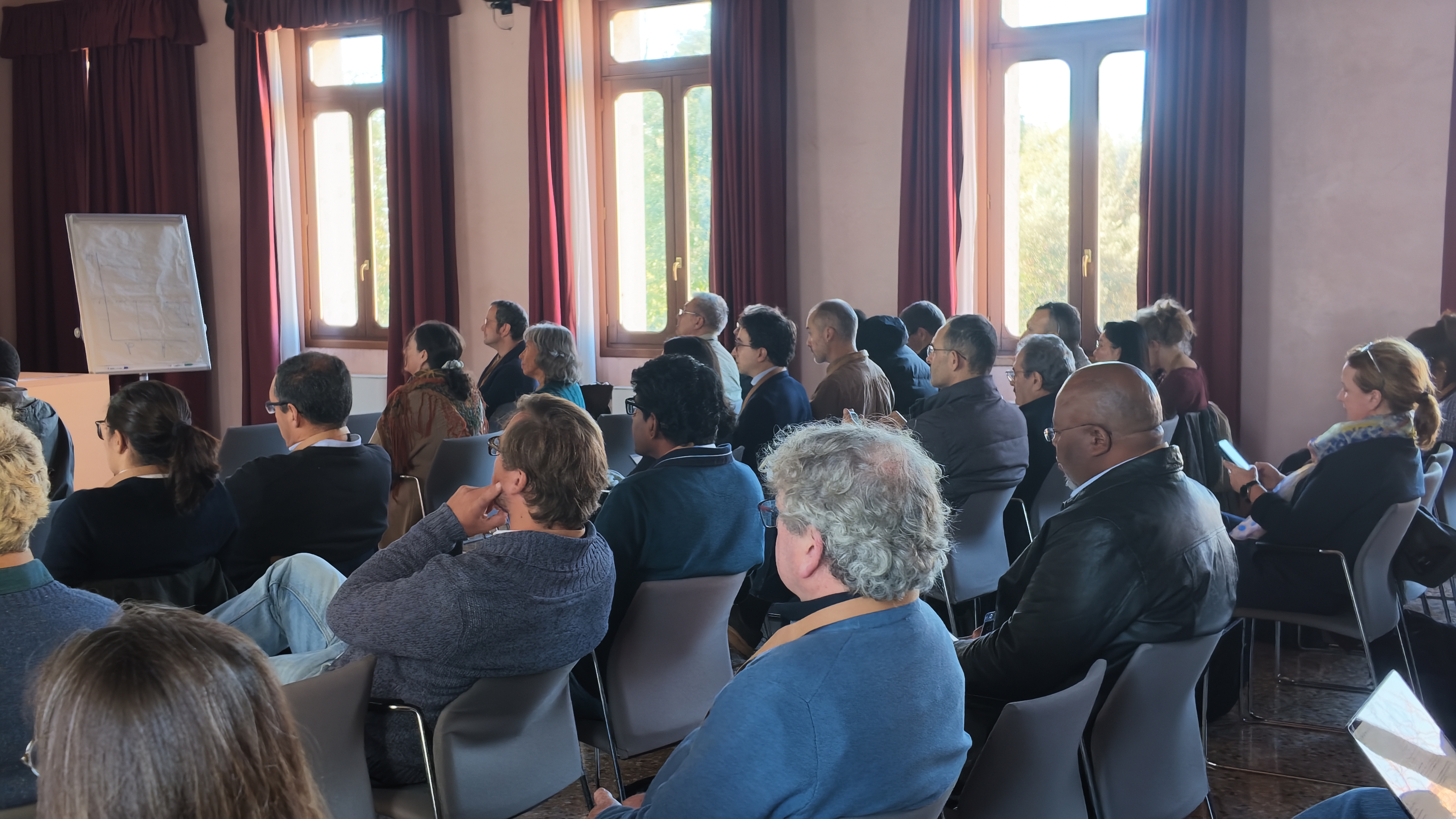
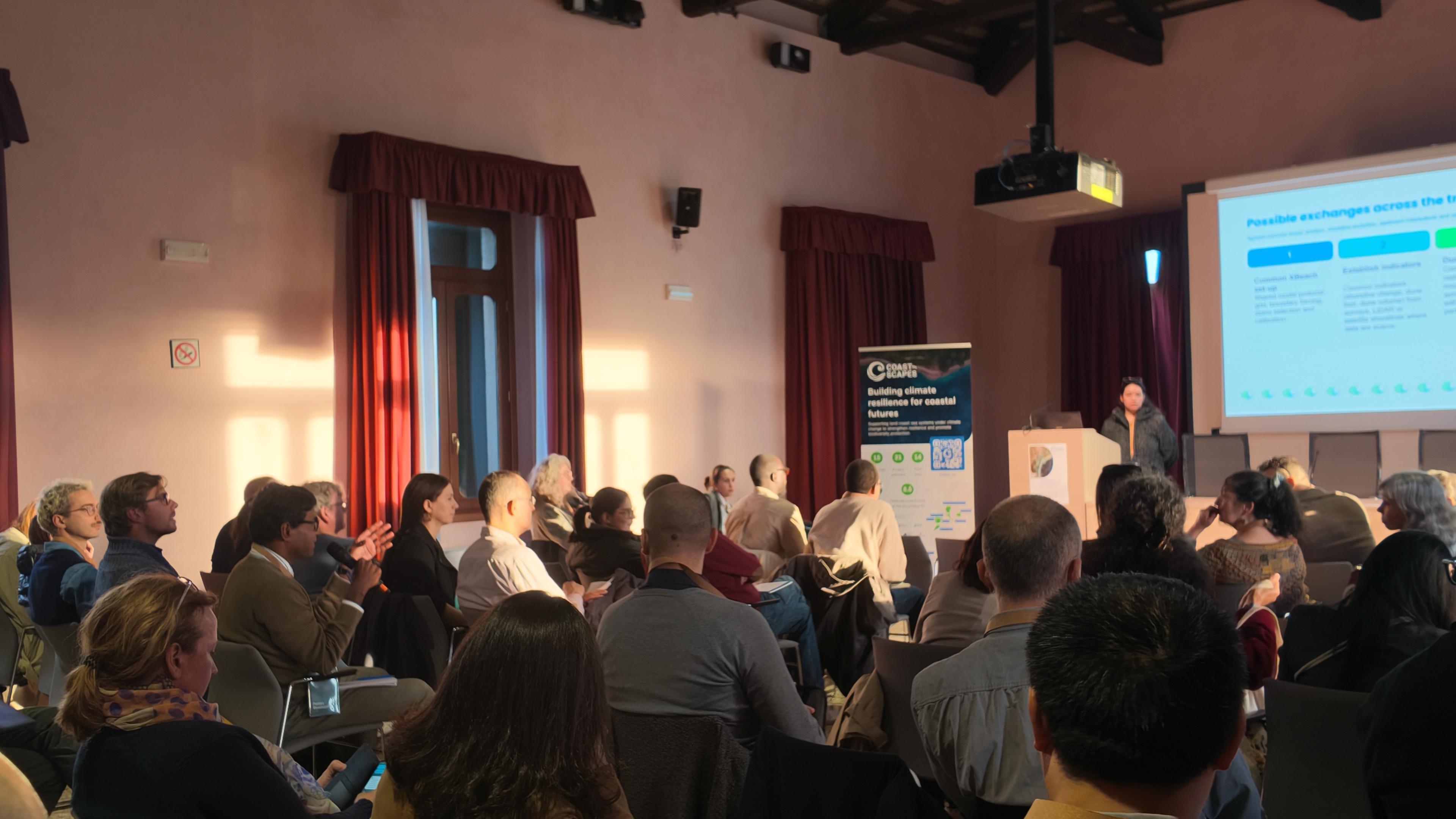
Opportunities for project contribution to the UN Ocean Decade Conference, risk and resilience within the Venice Lagoon, as well as lessons learned from the REST-COAST project, were also part of the meeting discussions, providing the floor for broader development. Partners also exchanged perspectives on the diverse geographical contexts covered by COAST-SCAPES, with case study areas spanning coastal regions from the Vietnamese Mekong Delta to Colombia's Magdalena River Delta.
 |  |
Considered a highlight of the meeting was the field trip to the northern part of the Venice Lagoon, organised together by CORILA, the University of Padua, Ca' Foscari University of Venice and SELC Società Cooperativa. The visit provided first-hand insights into the strategic measures adopted to strengthen the resilience of Venice and its lagoon. COAST-SCAPES members had the opportunity to explore local salt marshes and wetlands, learn about the relationship between the lagoon and its drainage basin, and visit the MOSE system, a major piece of electromechanical infrastructure designed to protect Venice from exceptional high tides.
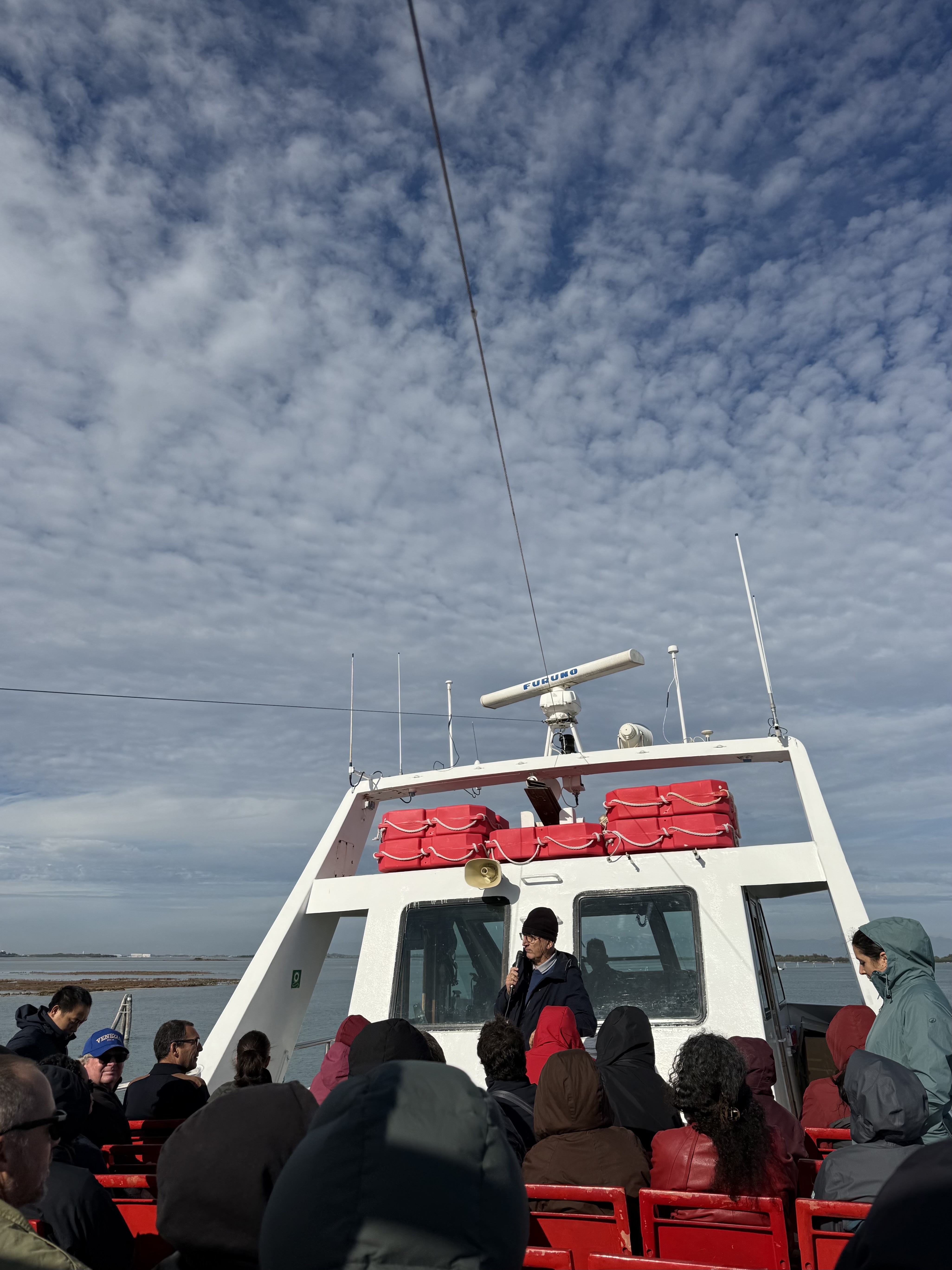 | 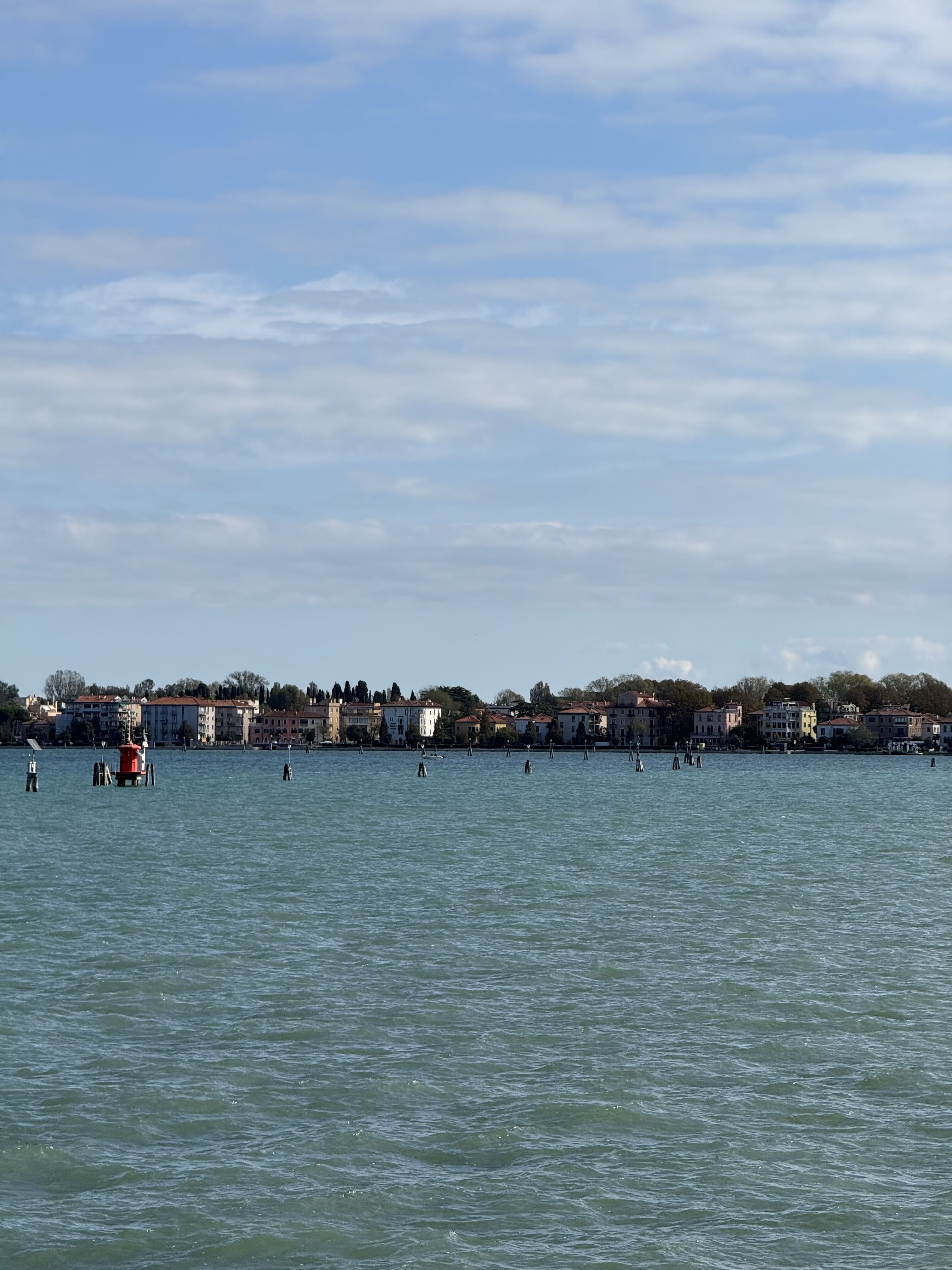 |
Beyond reviewing technical progress, the gathering created space for partners to strengthen relationships and discuss opportunities for knowledge exchange across the project's pilot sites. In particular, the work under WP4, led by LMU Munich, focuses on the transferability and replication of resilience solutions across coastal regions, including the development of a network through which pilot sites can exchange experiences and make knowledge on effective solutions openly accessible.


